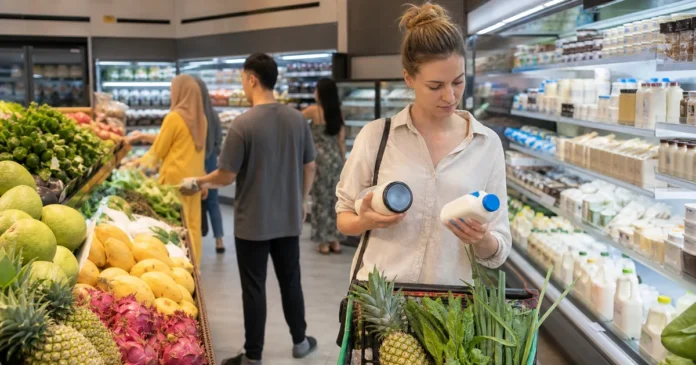

You can buy almost anything in KL. The question is what it costs, and the answer varies wildly by category in ways that are not obvious until your first few shops.
The short version
- Local produce, rice, eggs, chicken and tropical fruit are cheap. Imported dairy, beef, berries and processed Western food are not.
- Alcohol is the outlier. Malaysia taxes it heavily and it is expensive by regional standards.
- Wet markets beat supermarkets on fresh produce for price and often quality.
- Premium grocers stock what you miss from home, at a markup reflecting that.
- Substituting rather than replicating is what keeps the bill down.
What is cheap and what is not
The rule is simple. Anything grown or produced in Malaysia or nearby is inexpensive. Anything shipped in refrigerated from a temperate country is not, and the gap is larger than distance alone would suggest.
Cheap: rice, noodles, eggs, chicken, local vegetables, tropical fruit, tofu, local seafood, and the enormous range of Malaysian and regional store cupboard ingredients.
Expensive: cheese, butter, cream, imported beef and lamb, berries, apples and pears, breakfast cereal, and most branded packaged food from Europe, the US or Australia. Cheese is the item Western expats mention most, because there is no local substitute and the imported price is startling.
Alcohol is its own category. Malaysia applies heavy duty to alcohol, and the result is prices well above neighbouring countries and often above what people paid at home. Budget it separately rather than folding it into groceries, because it is the line most likely to surprise you. Our cost of living guide puts the whole picture into a monthly figure.
Where to shop for what
Splitting your shopping across two or three places is what most long term residents end up doing, and it is worth adopting early rather than after a year of paying premium prices for onions.
Wet markets for fresh produce, fish and meat. Cheaper than supermarkets, usually fresher, and the turnover is high. Go in the morning. The TTDI market is one of the easiest to start with if you find the idea intimidating, being covered, tidy and used to non Malaysian shoppers.
Mainstream supermarkets for everyday packaged goods, household items and the local brands you will end up switching to. Every mall has one and they are perfectly good.
Premium and imported grocers for the specific things you cannot live without. These exist in the expat areas and stock European cheese, proper bread, imported meat and the branded products you recognise. Use them deliberately for a short list rather than as your weekly shop, because that is where budgets disappear.
Online grocery delivery is well developed here and worth using for heavy items. It also lets you compare prices without walking the aisles, which makes the markup obvious.
Substitute rather than replicate
This habit separates people who find KL cheap from people who find it expensive, and it has little to do with income. Reproducing your home diet ingredient for ingredient means paying import prices on most of the basket every week. Cooking around what is abundant here costs a fraction.
Keep a short list of genuine non negotiables, buy those at the premium grocer without guilt, and shop locally for everything else. Note too that eating out here is cheap enough that cooking is not automatically the economical choice.
What a month actually costs
One person cooking at home lands around RM600 to RM900 a month as of August 2026, and the spread inside that range is almost entirely about how much of your shop is imported. Cook mostly local and you sit at the bottom. Rebuild your home diet from imported dairy, cold cuts and cereal and you will pass the top without noticing. Our cost of living guide sets that against the rest of a monthly budget.
| Where | Best for | Relative cost |
|---|---|---|
| Wet market | Produce, fish, meat | Cheapest, go early, bring small notes |
| Hypermarket | The weekly bulk shop | Low, widest local range |
| Expat focused grocer | Imported dairy, cold cuts, baking | Noticeably higher |
| Online marketplace | Shelf stable imports | Often below the premium grocers |
The non halal section, and why you cannot find the bacon
This trips up almost every newcomer on their first shop, and nobody warns them. Pork is not in the main aisles. Supermarkets that stock it keep it in a physically separate non halal section, usually a walled off room or a clearly signed corner at one end of the store, with its own chillers, its own staff and frequently its own till.
So if you have walked the meat aisle twice and concluded the shop does not sell bacon, look for the sign rather than giving up. Some supermarkets carry no non halal section at all, which is not a stocking gap you can ask them to fill.
Alcohol follows the same logic. It sits in its own aisle or cage rather than beside the soft drinks, the minimum purchase age is 21 and ID checks are routine. In Kuala Lumpur, hard liquor sales at convenience stores and small sundry shops are restricted, so a licensed supermarket or a dedicated liquor shop is the reliable option rather than the 24 hour shop downstairs.
Delivery is how most people end up shopping
Grocery delivery in KL is unusually good and unusually cheap, and most expats drift towards it within a few months. The supermarket chains run their own apps, and the ride hailing and food delivery platforms carry grocery arms that pick from real stores near you.
Two things make it work better here than in many countries. Delivery fees are low relative to the shop, and the person picking your order will often message you about substitutions before they happen rather than after.
For shelf stable imports, condiments, baking supplies, specific teas and cereals, the large online marketplaces are frequently cheaper than the premium supermarkets and carry a wider range. Check the expiry date on arrival, because stock moves slowly on the long tail items.
The one thing not to move online is fresh produce, fish and meat. Wet markets and the better supermarket counters win on both price and quality, and this is the part of the shop where seeing what you are buying still pays.
Alcohol deserves its own budget line
Malaysia levies some of the heaviest alcohol excise in the region. A six pack of imported beer runs roughly RM50 to RM65 and a drinkable bottle of wine starts around RM85, as of August 2026.
The saving most people miss is that Langkawi and Labuan are duty free. Alcohol bought there costs a fraction of mainland prices, which is why the departure hall at Langkawi airport is full of residents carrying boxes. Duty free allowances apply on the way back, so check the current limit rather than assuming you can bring an unlimited amount.
Frequently asked questions
Can you get Western food in Kuala Lumpur?
Almost anything, yes. Premium and imported grocers in the expat areas stock European cheese, proper bread, imported meat and familiar branded products. The constraint is price rather than availability.
How much do groceries cost per month in Kuala Lumpur?
Around RM600 to RM900 a month for one person cooking at home as of August 2026. Where you land in that range depends almost entirely on how much of your shop is imported rather than local.
Why is alcohol so expensive in Malaysia?
Heavy excise duty. Prices sit above neighbouring countries and often above what you paid at home. Budget it as its own line.
Where is the pork in Malaysian supermarkets?
In a separate non halal section, not the main meat aisle. It is usually a signed, walled off corner with its own chillers and often its own till. Some supermarkets have none at all.
Are wet markets worth using?
For fresh produce, fish and meat, yes. Cheaper than supermarkets and usually fresher because turnover is high. Go in the morning and take small notes.
Explore more
- Cost of living in Kuala Lumpur
- Best expat areas in KL, since the premium grocers cluster in them
- The KL expat guide

